Las Vegas Achilles
Tendinitis Relief
Personalized Options That Actually Work
What Is Achilles Tendinitis—and Why It Keeps Coming Back
The Achilles tendon is the thick band of tissue that connects your calf muscles to your heel bone. It powers every step, every sprint, and every time you push off your toes. But when it’s overused, inflamed, or strained, it becomes painful—and stubbornly slow to heal.
Achilles tendinitis is most common in active adults over 40, weekend warriors, and former athletes who still like to move hard. If that sounds like you, you’re not alone—and you’re not stuck.
At Ortho Las Vegas, we help patients find real, lasting relief from Achilles tendon pain using a combination of advanced diagnostics, regenerative therapies, and surgical options when necessary. You don’t need to limp through life or commit to unnecessary surgery.


Signs You May Be Dealing With Achilles Tendinitis
If you’re experiencing any of the following, it may be time to get evaluated:
Left untreated, Achilles tendinitis can become chronic or even lead to partial tearing or rupture.
Why Traditional
Treatments Often Fall Short
You may have already tried:

Rest, ice, and compression
Stretching or physical therapy
Cortisone injections (which can weaken the tendon)
Over-the-counter
pain meds

Ankle braces
or orthotics
Advanced, Personalized Treatment
Options at Ortho Las Vegas
Dr. Roddy McGee and the Ortho Las Vegas team offer a comprehensive approach to Achilles tendon pain—ranging from non-surgical options to surgical repair when truly necessary.
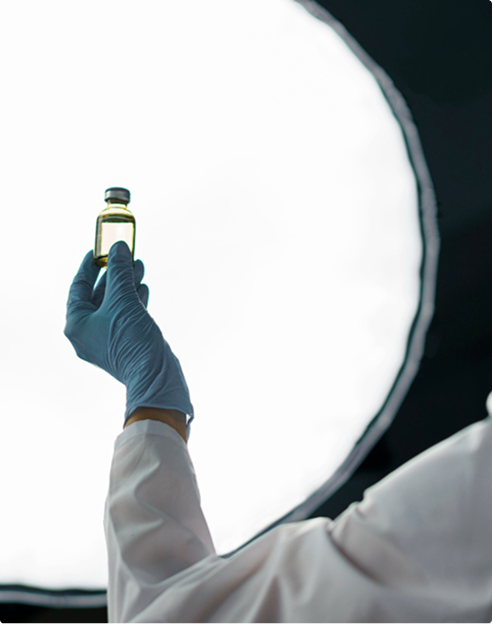

Regenerative Orthobiologics
We use image-guided platelet-rich plasma (PRP) and bone marrow concentrate (BMC) injections to jumpstart the body’s natural healing process. These treatments are:
- Minimally invasive
- Backed by orthopedic oversight
- Performed under precise ultrasound guidance
- Tailored to your tendon’s condition and your activity goals
Did You Know? PRP and BMC therapies are not the same as the “stem cell” ads you see from wellness spas or chiropractors. These are physician-supervised, evidence-based orthobiologic treatments performed by a board-certified orthopedic surgeon.

Surgical Repair (When Appropriate)

Why Choose
Ortho Las Vegas?


What to Expect from
Your Recovery

PRP/BMC Injection
Mild soreness for 2–3 days. Most patients resume light activity within a week, with progressive improvement over 4–8 weeks.

Surgical Repair
You may require a boot or brace for a few weeks, followed by physical therapy. Return to full activity may take 8–12 weeks depending on the severity of the case.