What It Takes to Keep a Championship Team on the Field
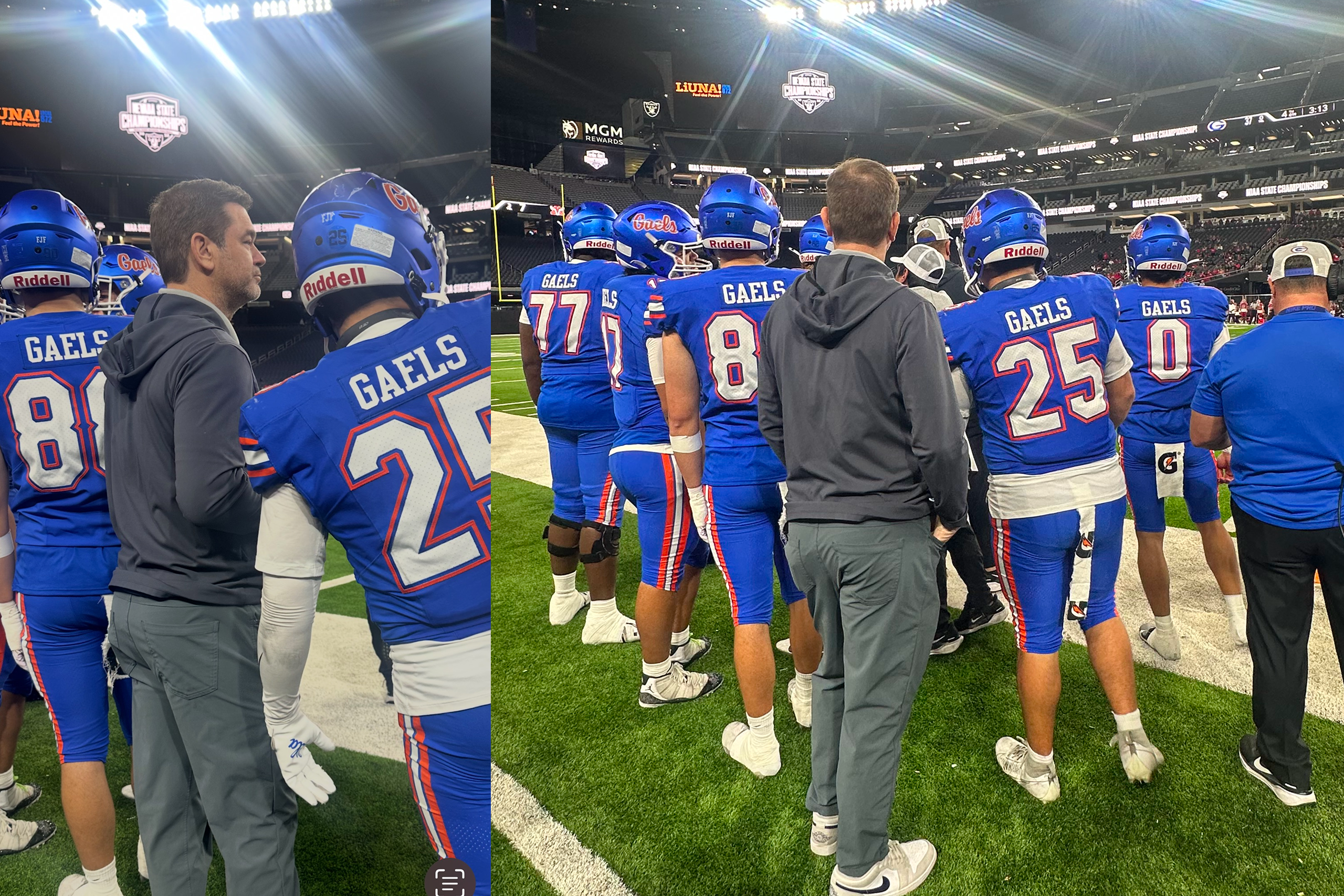
On a Tuesday night at Allegiant Stadium, Bishop Gorman did what championship programs do. They controlled the game, pulled away early, and defeated Arbor View 44–7 on November 25, 2025, to win the inaugural Open Division Nevada state football championship.
For fans, that’s the story.
For everyone involved behind the scenes, that night was the final chapter of a much longer process.
Because championships are not just won on Friday nights. They’re protected all season long.
The Part Most People Don’t See
A scoreboard tells you who won. It does not tell you how hard it is to keep a high school football team intact through months of practices, games, travel, lifting, and recovery.
At this level, almost no athlete is ever 100 percent. The real advantage is not avoiding injuries altogether. It’s availability. Who is healthy enough to practice? Who can recover correctly? Who is ready when it matters most?
That work happens quietly, between games, long before the lights come on.
The Physician on the Sidelines
Dr. Roddy McGee, orthopedic surgeon at Ortho Las Vegas, serves as the team physician for Bishop Gorman High School football, a role that goes far beyond game-day coverage.
During the state championship at Allegiant Stadium, Dr. McGee was on the sideline like he is throughout the season. But his responsibility does not begin or end on Friday night. It spans the full lifecycle of an athlete’s season, from early evaluation to recovery to return-to-play decisions.
Team physicians operate under real pressure. Decisions must balance competitiveness with safety, short-term needs with long-term health. There is no textbook answer when a teenager wants to stay on the field, coaches need clarity, and parents want reassurance.
That perspective matters. It is medicine practiced in real time, not theory.
Why Availability Wins Championships
Availability is not about toughness or ignoring pain. It is about managing injuries intelligently so athletes can continue to develop and contribute.
Missing a game hurts. Missing weeks of practice can quietly derail a season.
At the high school level, consistency matters. Reps matter. Timing matters. When athletes are limited or sidelined, development stalls and risk increases. Keeping players available, even at a modified level, often makes the difference late in the year.
Elite programs understand this. It is one reason they invest in experienced medical support.
The Grind of a High School Football Season
High school football is a stress test.
Weekly collisions are layered on top of full practice schedules, weight training, conditioning, school demands, and limited recovery windows. In Las Vegas, heat and turf add another variable early in the season.
The biggest threat is not always a single traumatic injury. It is accumulated wear and tear.
Small issues change movement patterns. Tightness turns into strain. Inflammation lingers. When mechanics change, the risk of secondary injury rises. This is where proactive care and clear decision-making matter most.
The Injuries That Threaten a Season
Certain injuries show up repeatedly in high school football:
- Ankle sprains, including high ankle injuries that limit explosiveness
- Knee issues, from ligament sprains to meniscus symptoms and patellar pain
- Shoulder injuries, including instability and AC joint sprains
- Hamstring and hip flexor strains that linger and reappear
- Hand and wrist injuries that affect blocking, catching, and ball security
Many of these start as manageable problems. They become season-altering when ignored or rushed.
The goal is not to panic. It is to recognize when an issue needs attention and when playing through it creates more risk than benefit.
How Medical Decisions Are Actually Made
Sideline evaluation is only the first step.
Some information is clear immediately. Other questions require follow-up, imaging, or closer observation. A calm, structured approach prevents emotional decisions driven by the moment.
For high school athletes, conservative care comes first whenever possible. Stabilizing the injury. Reducing inflammation. Restoring movement and strength. Rehab is not optional. It is the plan.
Return-to-play decisions are earned through function, not motivation. Athletes must move well, tolerate sport-specific demands, and show that the risk of reinjury is acceptably low.
This process protects not just the current season, but the athlete’s future.
Where Advanced Non-Surgical Care Fits
In some cases, advanced non-surgical options, including orthobiologic treatments, may play a role in supporting recovery.
These treatments are not shortcuts. They are tools. When used appropriately and paired with proper rehabilitation, they can help calm inflammation and support healing in certain injuries.
The key is selection and timing. Not every injury needs them. Not every athlete is a candidate. Judgment matters more than technology.
When Surgery Is the Right Answer
Some injuries do not heal correctly without surgical intervention.
In those cases, surgery is not a failure. It is a pathway back to stability and long-term function. The priority is always the same: returning the athlete to the field safely, without creating chronic problems that follow them into college or adulthood.
“Back this season” means little if it costs an athlete next year.
Why Having a Team Physician Changes Outcomes
Having an experienced orthopedic physician present on the sideline changes outcomes.
Real-time evaluation reduces uncertainty. Early decisions help prevent secondary injuries. Clear communication between coaches, trainers, athletes, and parents builds trust.
Just as important, continuity matters. The same medical judgment applied on Friday night carries into the week that follows. Standards stay consistent. Decisions stay grounded.
The Trophy Is the Moment. The Season Is the Work.
Bishop Gorman’s state championship win deserves to be celebrated. Arbor View’s season deserves respect. Both teams reached a stage few ever do.
But the most important work happened long before the final whistle.
Highlights win attention.
Availability wins championships.
And availability is built quietly, one decision at a time.