
Knee giving out without warning? Your kneecap may be the real issue.

If your kneecap feels like it slips, pops, or gives way during activity—or if it actually dislocates—you’re likely dealing with patellofemoral instability. Whether it’s your first dislocation or you’ve been living with chronic knee instability for years, you already know the frustration: pain, loss of trust in your knee, and a growing fear that the next step or twist could send you back to square one.

At Ortho Las Vegas, we treat patellofemoral instability with a blend of orthopedic expertise and minimally invasive options. Our goal is simple: get you back to moving confidently—without rushing into surgery unless absolutely necessary.

What Is Patellofemoral Instability?

Patellofemoral instability happens when the patella (kneecap) doesn’t stay properly aligned within the femoral groove. This can lead to subluxation (partial dislocation), full dislocation, or chronic instability that compromises your ability to walk, run, squat, or climb stairs safely.

Common Symptoms:
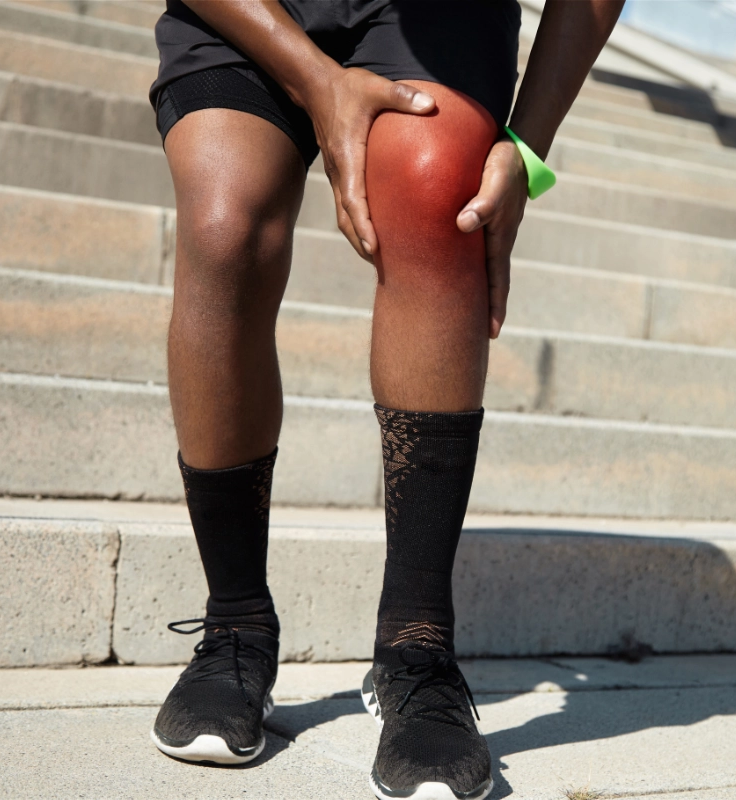
  • Knee “giving out” or buckling unexpectedly

  • Sharp or dull pain at the front or sides of the knee

  • Swelling or bruising after activity or dislocation

  • A sense that the kneecap is shifting or loose

  • Audible popping during motion

  • Stiffness or locking after sitting for long periods

What Causes Patellofemoral Instability?

  • Shallow or misaligned femoral groove (congenital anatomy)

  • Weakness or imbalance in the quadriceps or hip muscles

  • Previous trauma or kneecap dislocation

  • Loose ligaments or generalized joint hypermobility

  • Improper rehabilitation after prior injury

This condition can affect athletes, active adults, and those with past injuries—including many like Pete who simply want to get back to moving confidently without pain or hesitation.

Ortho Las Vegas Treatment Approach

We don’t believe in rushing into surgery for something that might be stabilized conservatively. But we also don’t settle for ineffective bracing or wait-and-see nonsense. We’ll give you the data, diagnosis, and plan you need to make an informed decision.

Step 1: In-Depth Evaluation

  • Imaging (X-ray, MRI) to evaluate patellar alignment and cartilage health
  • Movement and instability testing
  • Assessment of prior injuries, rehab gaps, or ligament damage

Step 2: Personalized Care Plan

Non-Surgical Care (Ideal for First-Time or Mild Cases):

  • Targeted rehab to improve patellar tracking

  • Custom bracing to stabilize the knee during key movements

  • PRP injections to reduce inflammation and support soft tissue repair

  • Gait and movement correction to prevent future instability

Surgical Solutions (For Recurrent or Severe Instability):

  • MPFL Reconstruction (medial patellofemoral ligament) to restore patellar restraint

  • Lateral release or tibial tubercle realignment, depending on anatomy

  • Cartilage restoration or debridement for patients with associated damage

  • PRP or BMC adjuncts to enhance recovery and graft healing

Why Choose Ortho Las Vegas?

Blended expertise in orthopedics + orthobiologics—fewer appointments, more precision

Concierge-level care that respects your time and preferences

Fellowship-trained orthopedic surgeon Dr. Roddy McGee leads every case

Trusted by athletes, professionals, and active Las Vegas residents

Clear cost structure and no-pressure consultations

Whether you’ve had one dislocation or five, you deserve a treatment plan that’s proactive, proven, and tailored—not generic advice and a referral pad.

Who This Is For
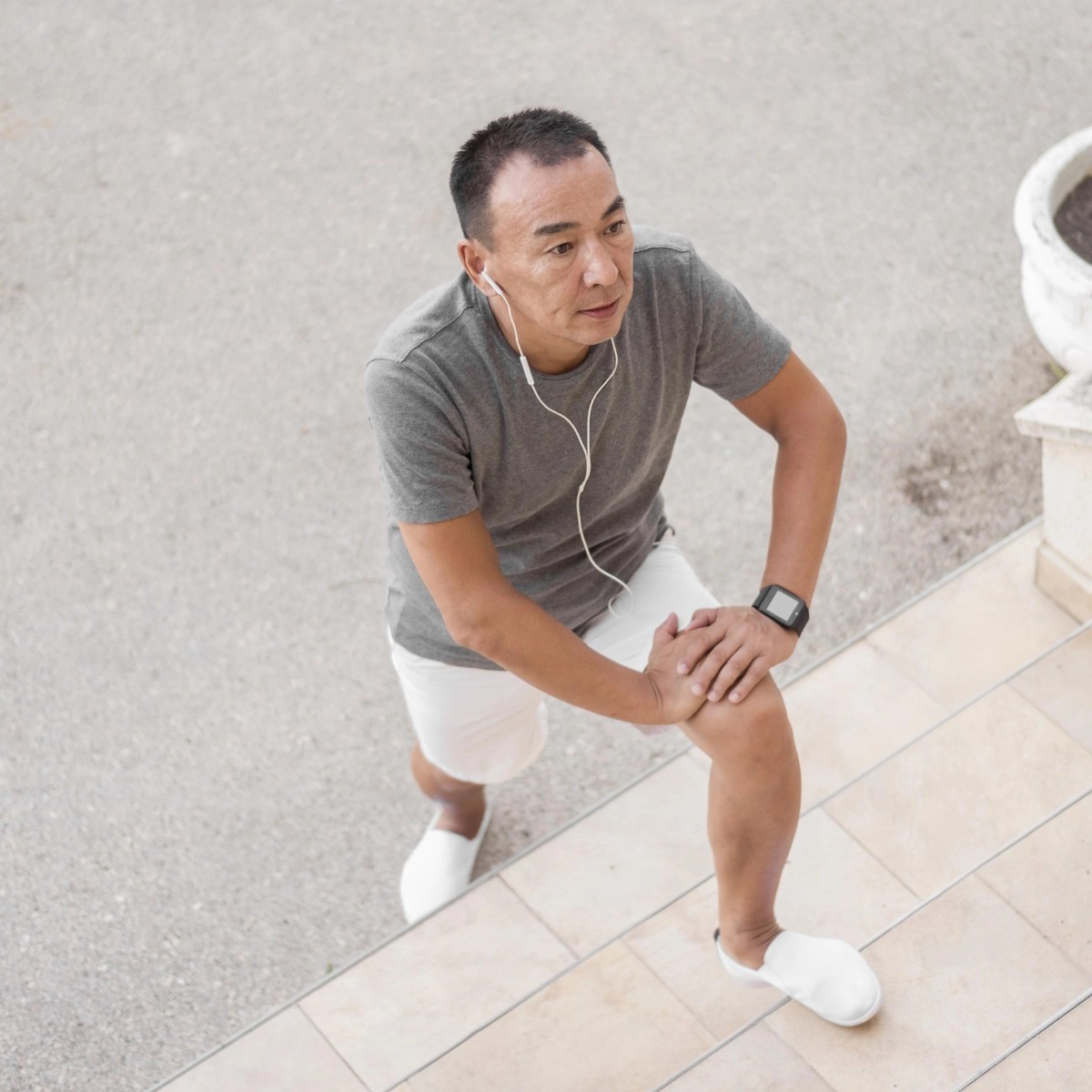
  • You’ve experienced a kneecap dislocation or subluxation

  • You feel like your knee gives out during activity or walking

  • You want to avoid surgery but need a real solution—not just bracing

  • You’re tired of repeat injuries, instability, and reactive care

  • You want to restore confidence in your body and your movement

Recovery Timeline


Treatment Path Estimated Timeline
Rehab + PRP + Bracing 4–8 weeks to improved function
MPFL Reconstruction (Surgery) 4–6 months full recovery
Tibial Tubercle Realignment 6–8 months, with PT progression

You’ll leave your first visit with a customized roadmap—no “let’s see how it goes” guesswork.
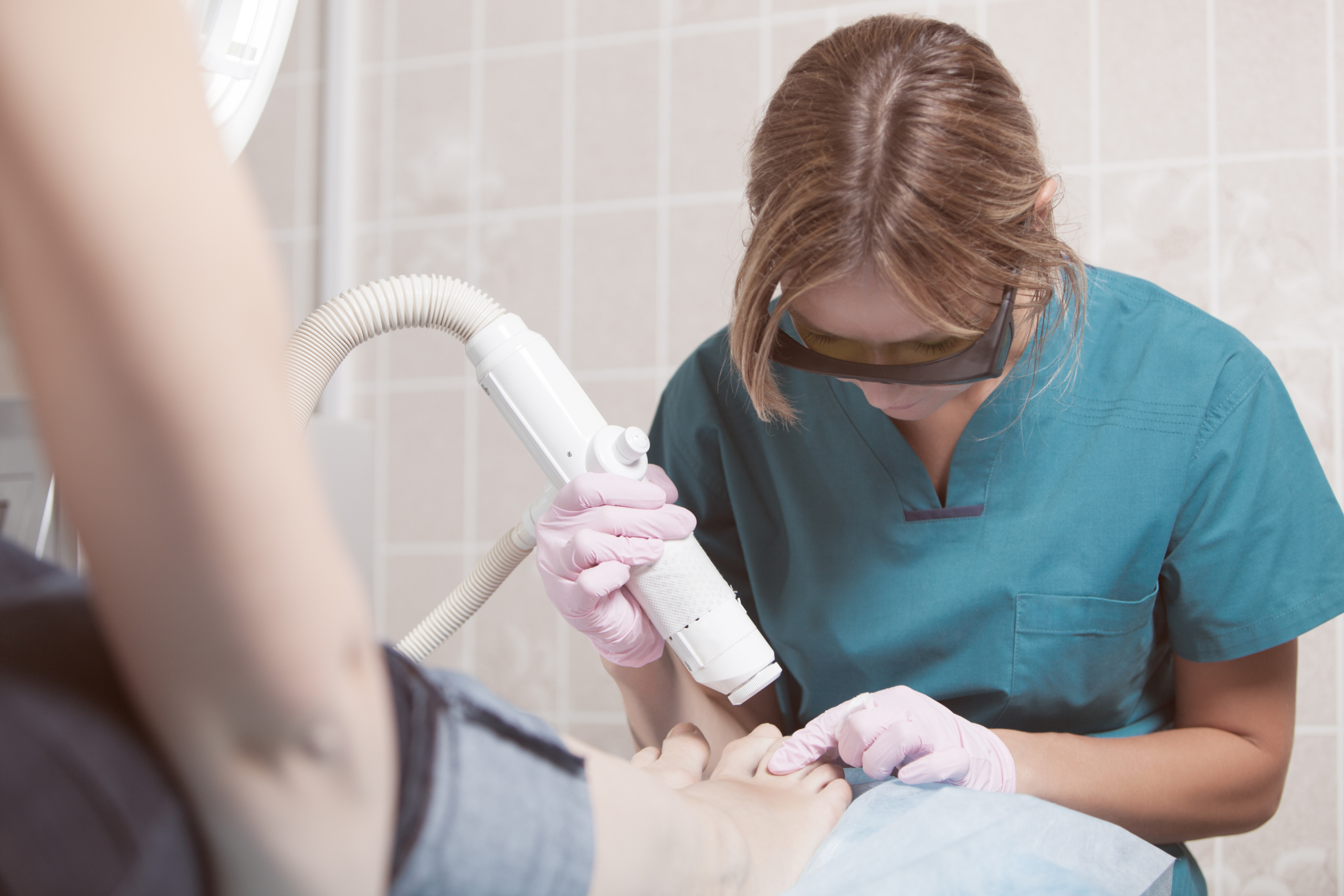
You Deserve a Knee You Can Trust Again

If your kneecap is unstable, don’t settle for guesswork, braces that don’t help, or a lifetime of flare-ups. We’ll help you find the fix that fits—fast.

FAQs About Patellofemoral Instability

No. Many patients respond well to a focused rehab and biologic protocol. Surgery is reserved for cases of recurrent dislocation or structural abnormalities.

While it won’t “tighten” ligaments, PRP can reduce inflammation, promote soft tissue recovery, and aid in rehab outcomes.

Chronic instability can still be addressed—but it’s essential to rule out cartilage damage or secondary ligament involvement before finalizing treatment.

Movement analysis, gait correction, and proper strengthening all help. We’ll teach you what to do—and what to avoid—for long-term success.

Consults, imaging, and surgery often are. PRP or orthobiologic add-ons may be out-of-pocket. We’ll walk you through every cost before starting.
