Don’t Walk Off a Stress Fracture—Treat the Root Cause and Heal the Right Way
What Is a Stress Fracture—and Why Ignoring It Makes Things Worse
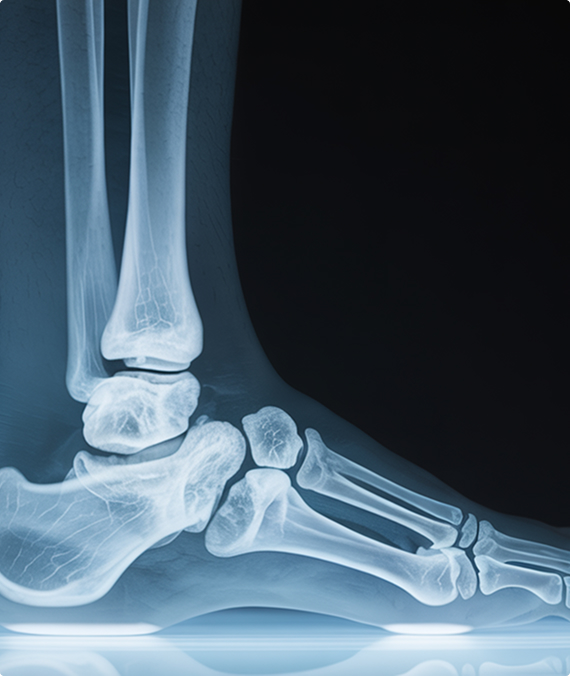
A stress fracture isn’t a full break—it’s a microscopic crack in the bone that comes from repetitive force. But don’t let the “micro” fool you: left untreated, a stress fracture can sideline you for months or lead to a full-blown fracture that does require surgery.
Most stress fractures in the ankle and foot are caused by overuse, improper biomechanics, low bone density, or a sudden increase in activity. If you’re active, on your feet a lot, or over 40 and not bouncing back like you used to—this is a real risk.
At Ortho Las Vegas, we don’t just slap a boot on it and send you home. We identify the why, treat the root issue, and give you a smart, evidence-based path to full recovery—so you don’t go through this again.

Common Signs You May Have a Stress Fracture (Not Just a Sprain)
Many of our patients thought they had a sprained ankle or “just overdid it,” but symptoms of a stress fracture include:
If this sounds familiar, don’t wait. Continuing to walk or train through a stress fracture can cause it to worsen—potentially requiring surgical intervention down the line.
What Causes Stress Fractures in the Ankle?
Stress fractures often occur due to:
We’ve seen them in marathoners, hikers, dancers, busy professionals—and yes, even people just trying to “get back into shape” in their 40s or 50s.
How We Treat Stress Fractures at
Ortho Las Vegas
Here, you won’t get guesswork—you’ll get orthopedic precision.


Expert Diagnosis

Root-Cause Analysis

Regenerative Orthobiologics
In select cases, we use PRP (platelet-rich plasma) or bone marrow concentrate to accelerate healing in stubborn or high-risk fractures—especially in active adults looking to avoid downtime.

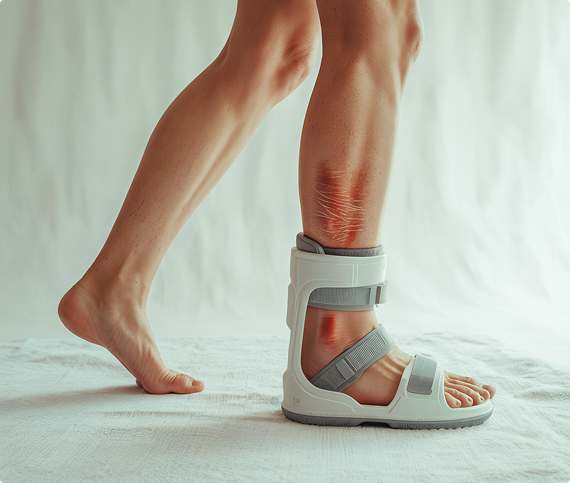
Non-Surgical Support
- Repetitive overuse from running, jumping, or prolonged walking
- Poor biomechanics, like flat feet or improper gait
- Low bone density from aging, hormones, or diet
- Sudden increase in intensity or volume of physical activity
- Previous injuries that altered your movement patterns

Surgical Options (When Necessary)

Who This Page Is For
Whether you’re training for a race, walking the Las Vegas Strip, or just want to get back to your active lifestyle—if your pain has lasted more than 10 days, let’s get answers.
Why Choose
Ortho Las Vegas?


How Long Does It Take
to Heal a Stress Fracture?
Healing time varies based on location and severity:
| Type of Stress Fracture | Healing Timeline | Activity Restrictions |
|---|---|---|
| Mild, low-risk fracture | 4–6 weeks | Boot or brace, limited activity |
| Moderate fracture | 6–8 weeks | Gradual return to weight-bearing |
| High-risk or delayed union | 8–12+ weeks | Often paired with orthobiologic therapy or surgery |