Elbow Pain That Won’t Quit? It Might Be Tennis Elbow
You don’t have to be a tennis player to suffer from “tennis elbow.” Whether it’s your backhand, your golf swing, or just lifting groceries—lateral elbow pain from overuse or strain can disrupt everything from workouts to workdays.
The frustrating part? Most people with tennis elbow get stuck in a loop: rest, cortisone, therapy… repeat. And still, the pain flares up every time they try to be active again.
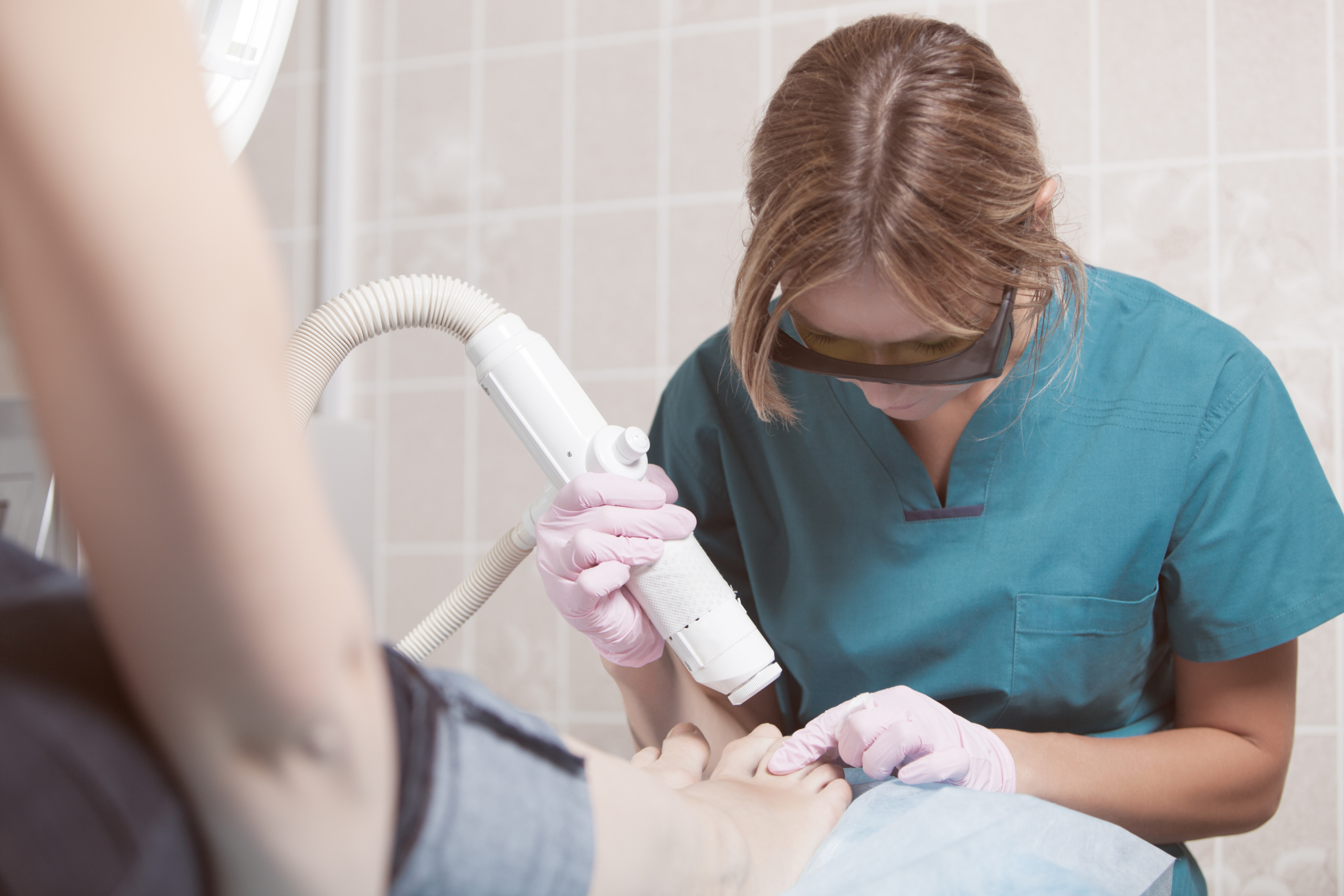
At Ortho Las Vegas, we break that cycle by addressing the root cause of your pain, not just the symptoms. Our approach combines advanced diagnostics, regenerative orthobiologic options, and orthopedic surgical expertise to help you heal faster—and stay active longer.
What Is Tennis Elbow?
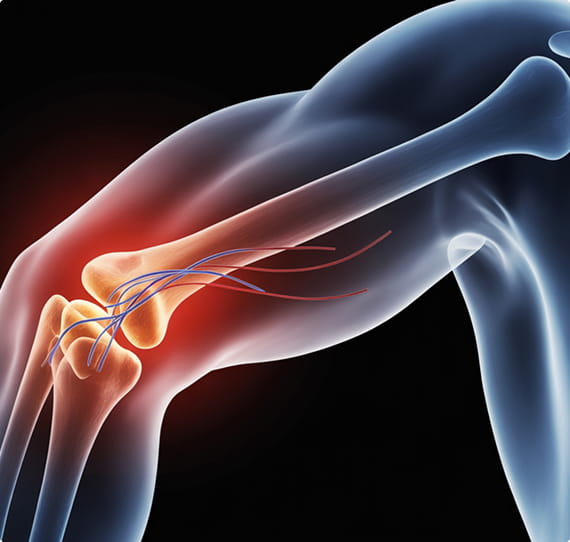
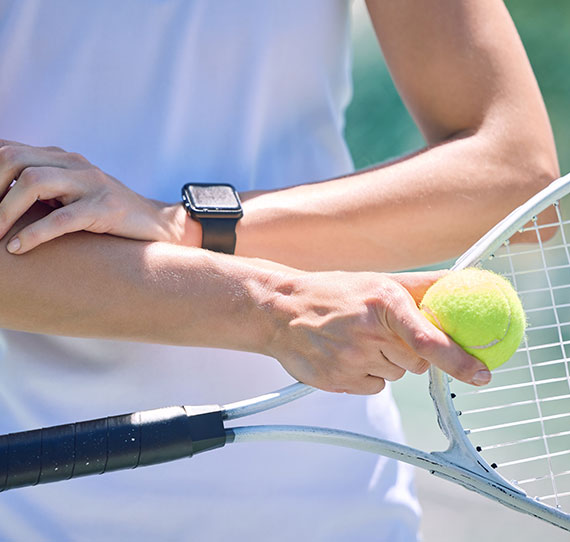
Tennis elbow, or lateral epicondylitis, is a tendon condition caused by repetitive stress at the outer elbow. It commonly affects:
Symptoms of
Tennis Elbow
If you’re modifying workouts or avoiding daily tasks because of elbow pain, it’s time for a smarter plan.
Why Conventional Treatments Often Fall Short
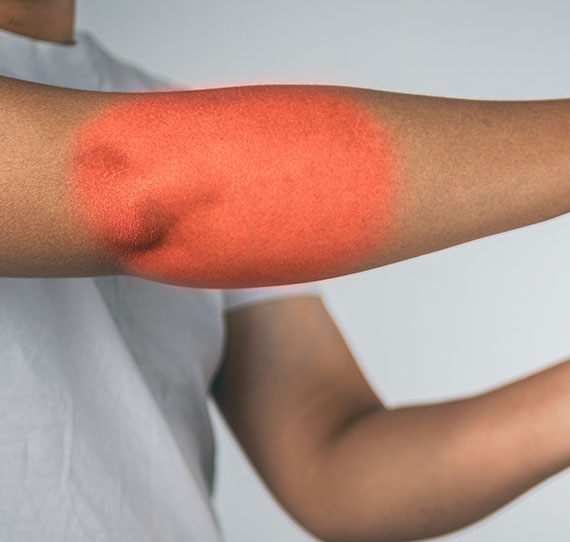
You’ve likely tried ice, rest, anti-inflammatories, or even physical therapy. These may help early on—but once degeneration sets in, you need more than Band-Aids.
Cortisone shots? They may temporarily relieve inflammation, but they don’t fix the damaged tendon—and may even weaken it over time.
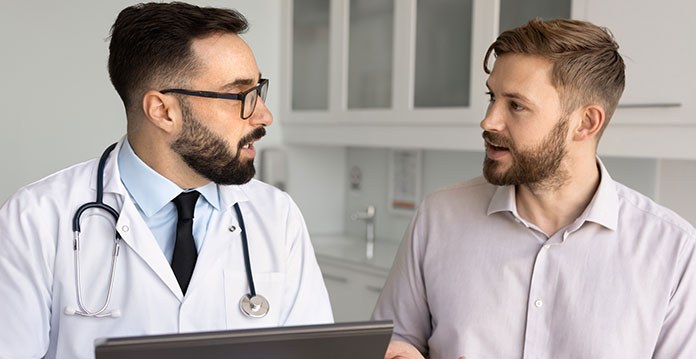
Our team focuses on treatments that restore tissue health, not just reduce inflammation. That’s where orthobiologics like PRP and BMC come in.
How Ortho Las Vegas Treats
Tennis Elbow
Your treatment plan is based on advanced diagnostics—not guesswork. Depending on the severity of your condition, we may recommend:
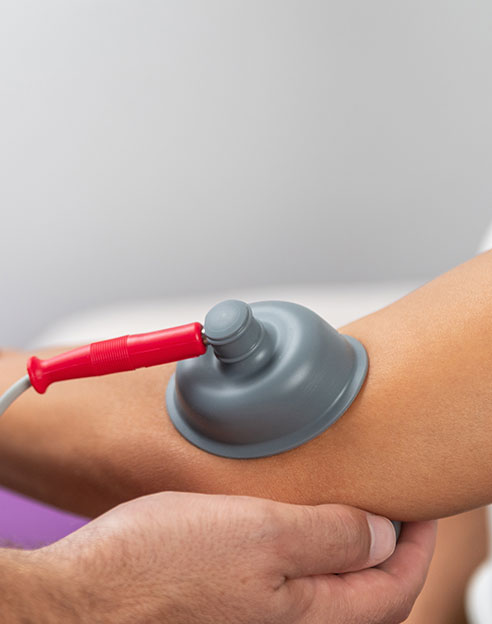

Platelet-Rich Plasma (PRP)

Bone Marrow Concentrate (BMC)

Percutaneous Tenotomy or Tenex

Surgical Options

What to Expect
From Treatment
Here’s what your journey will look like:
1
Expert Evaluation & Imaging
We’ll review your history, perform a detailed exam, and use diagnostic ultrasound or MRI to confirm the extent of damage.

2
Customized Treatment Plan
We walk you through options—from PRP to BMC to Tenex or surgery—based on your lifestyle and goals.
3
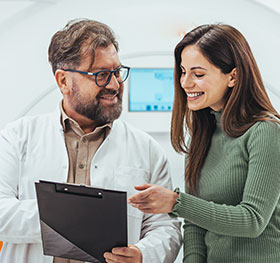
Image-Guided Treatment
No guesswork. Every procedure is guided by high-resolution ultrasound for pinpoint accuracy.
4
Recovery Support
We provide rehab protocols and follow-up care to ensure proper healing and long-term results.